Quick Answer In Plato’s Statesman, political leadership requires more than authority, popularity, or obedience to established rules....
Plato
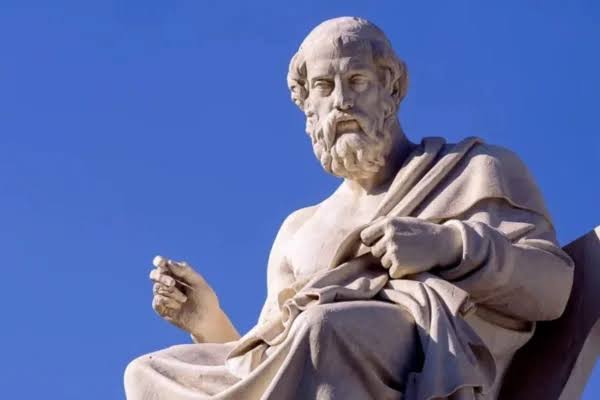
Plato (c. 428–348 BC) was the Athenian philosopher, student of Socrates and founder of the Academy. His dialogues, including the Republic and the Symposium, laid the foundations of Western philosophy, from the theory of Forms to political thought. Explore our articles on Plato.
Featured Articles
Plato’s Cave and the Search for Reality in Art: Perception, Mimesis, and Truth
Quick Answer Plato’s Statesman develops its philosophical argument through a carefully organized structure of agreement, correction, and...
Quick Answer In the final division of Plato’s Statesman, the Eleatic Stranger identifies different forms of expertise...
Quick Answer The Eleatic Stranger occupies a distinctive position in Plato’s Statesman. He guides the investigation without...
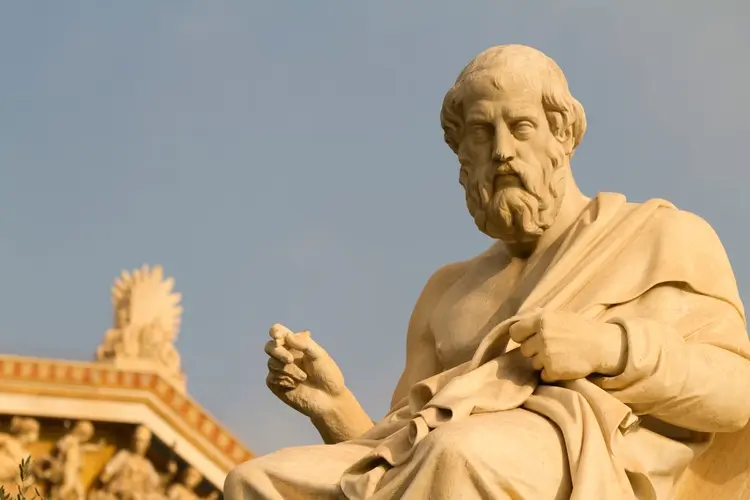
Quick Answer Plato’s method of division, known as diairesis, investigates a subject by distinguishing its different kinds....
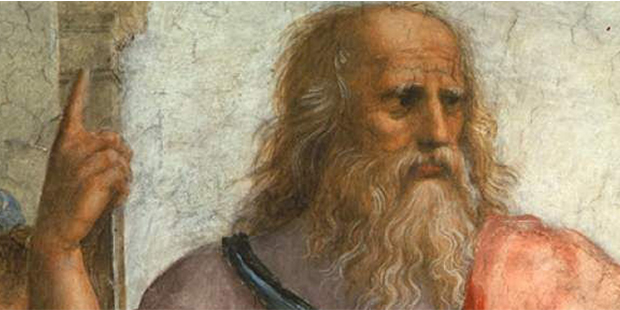
Quick Answer The dramatic setting of Plato’s Statesman connects political philosophy with the historical experience of Socrates...
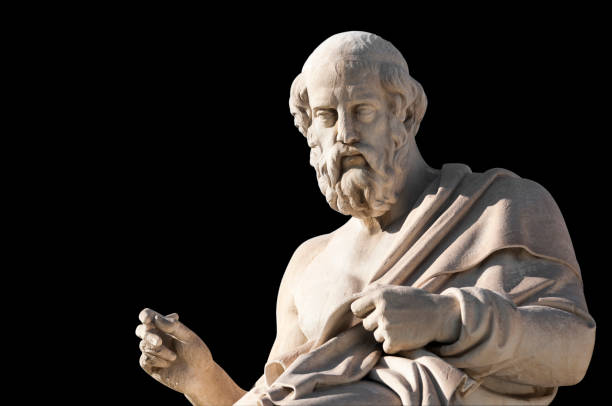
Introduction: Plato’s Cave and the Question of Reality Few philosophical images have influenced Western thought as profoundly...