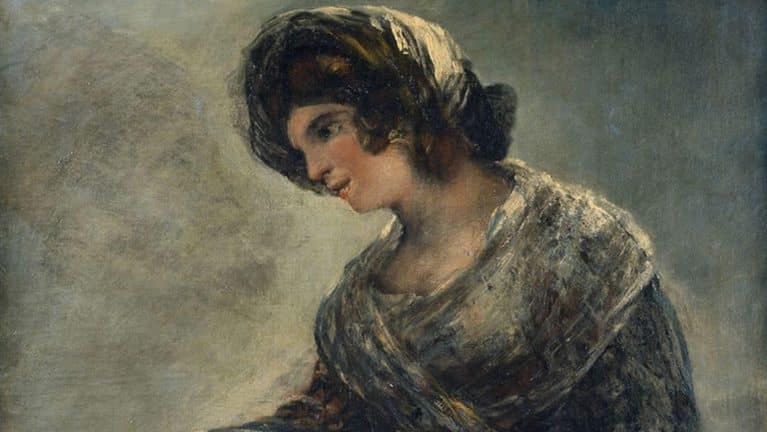
Francisco Goya was one of the most influential artists in the history of Spanish art. Throughout his...
Art
This category gathers our writing on painting and the visual arts, from the Renaissance to the modern era. We look at artists, masterpieces and movements in their historical and social context, asking what images reveal about power, faith, fear and human experience.
Featured Articles
Goya and the Birth of Modern Art: Why Was He Ahead of His Time?
Goya’s Charles IV of Spain and His Family: The Criticism Behind a Royal Portrait
Los Caprichos: How Goya Attacked Superstition and Social Hypocrisy
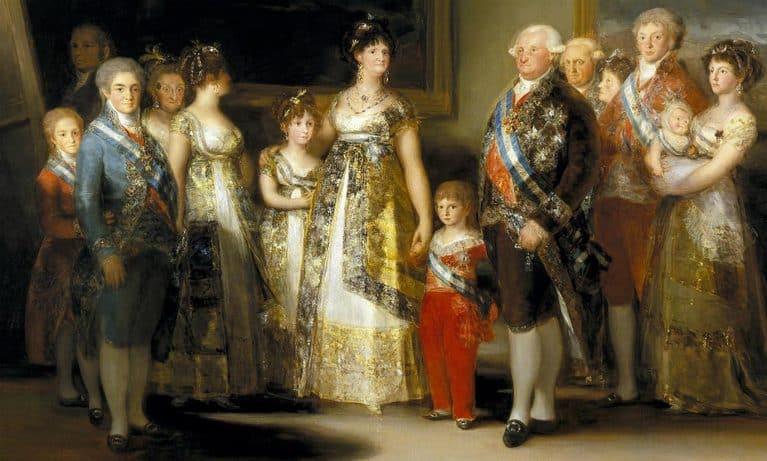
Francisco Goya’s Charles IV of Spain and His Family, painted in 1800, is one of the most...
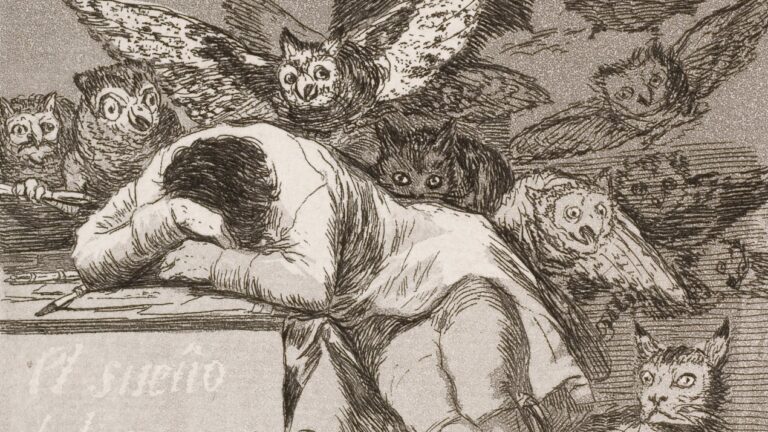
Francisco Goya published Los Caprichos in 1799, and the series remains one of the most remarkable examples...
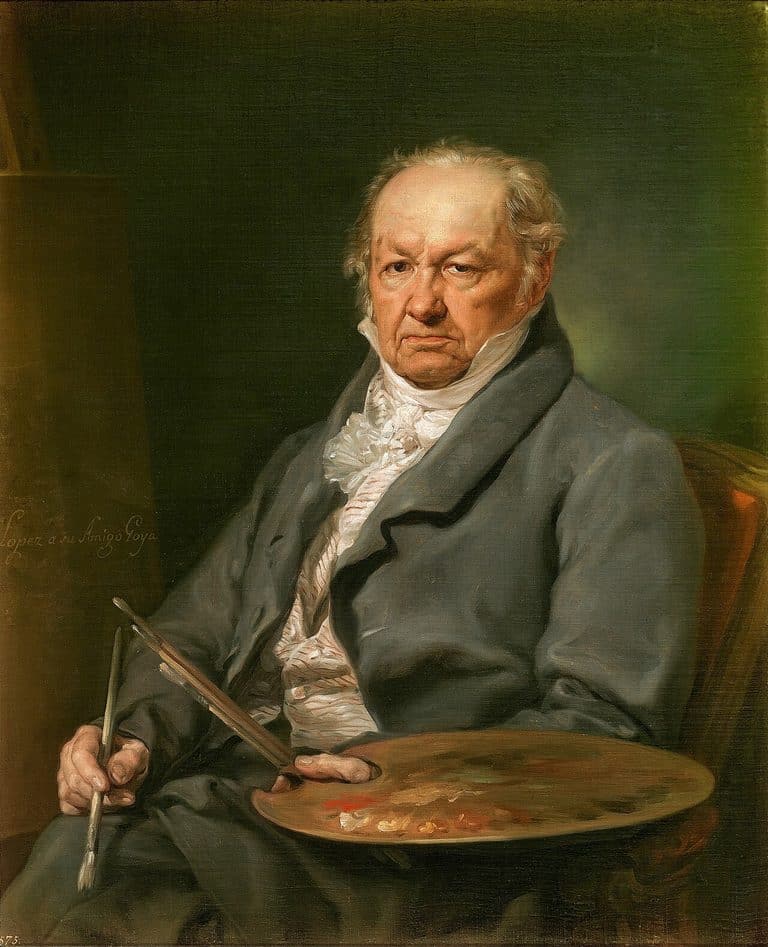
The Artist Who Exposed the Darkness of His Age Francisco de Goya y Lucientes (1746–1828) occupies a...
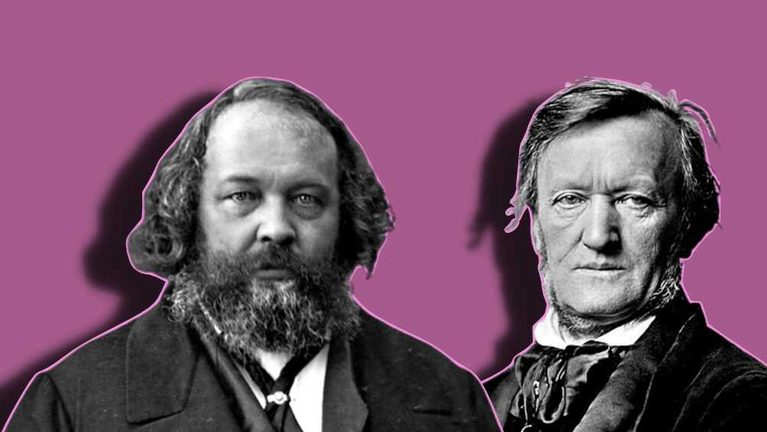
Wagner and Bakunin: Two Radical Figures in the Revolutions of 1848–1849 The relationship between Richard Wagner and Mikhail Bakunin offers a remarkable example of the intersection between art, political radicalism, and revolutionary action in nineteenth-century Europe. In May 1849, the two men found themselves on the same side during the Dresden Uprising, a revolt that challenged royal authority in the Kingdom of Saxony. However, their paths to revolutionary politics differed considerably: Wagner approached political activism through his artistic ambitions and dissatisfaction with the existing social order, whereas Bakunin pursued a more uncompromising struggle against authoritarian institutions. Their participation in the uprising reveals more than an unusual episode in the lives of a celebrated composer and a prominent anarchist. Instead, it illuminates the radical political imagination of the revolutionary era and raises questions about the relationship between intellectual conviction and direct political action. The Dresden Uprising: Historical...
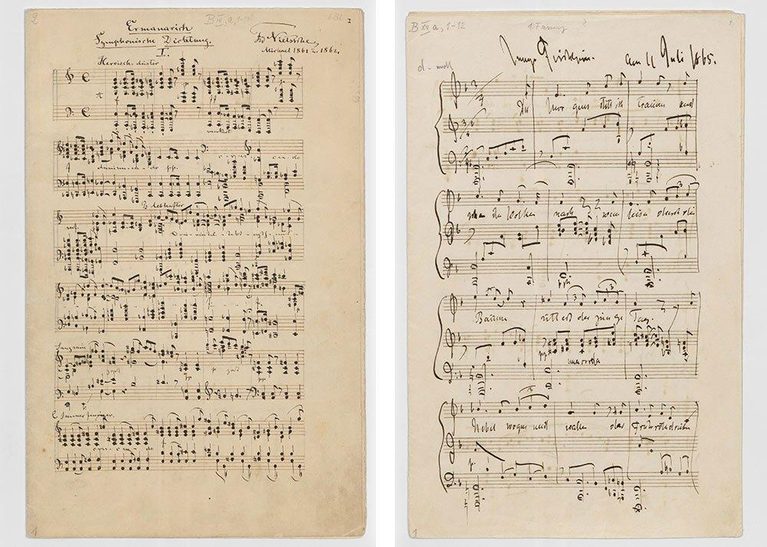
The relationship between Friedrich Nietzsche and music offers valuable insight into his philosophical development. From his youth,...
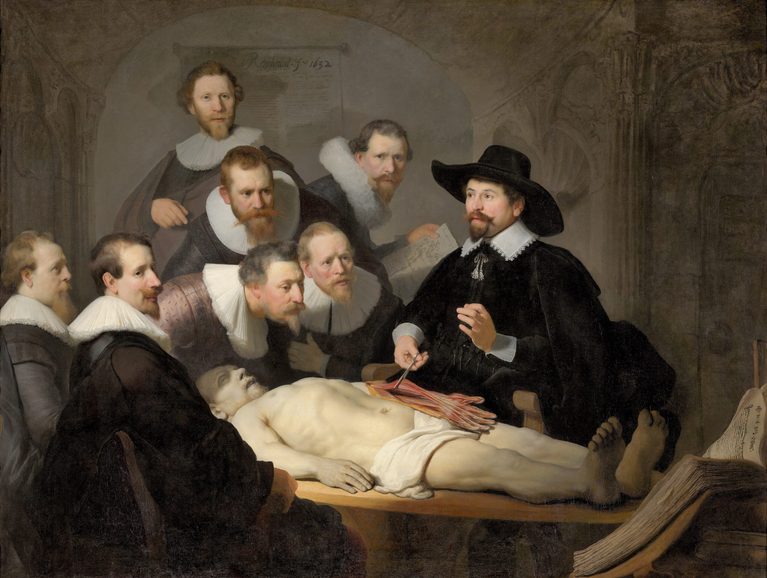
Rembrandt’s The Anatomy Lesson of Dr. Nicolaes Tulp: Art, Medicine, and Knowledge in Seventeenth-Century Amsterdam Rembrandt van...
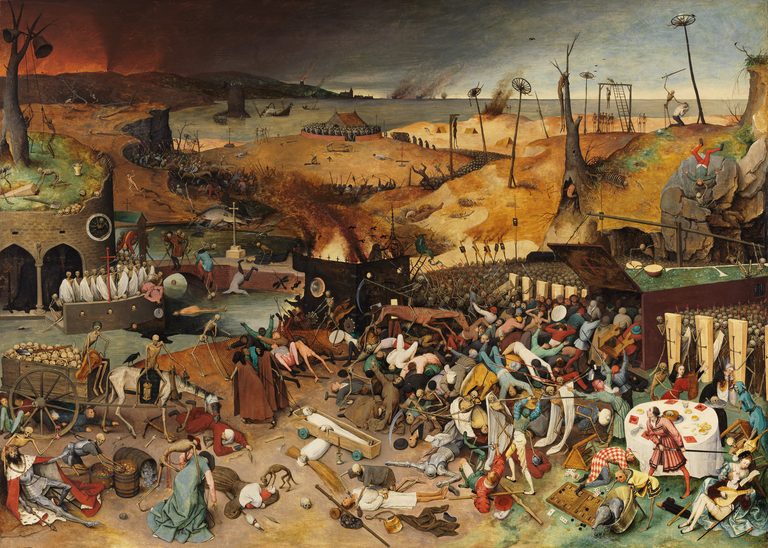
Pieter Bruegel the Elder’s The Triumph of Death stands among the most powerful and disturbing paintings of sixteenth-century European...
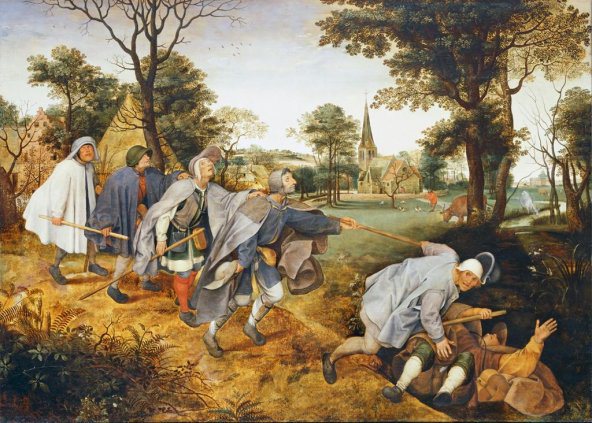
Pieter Bruegel the Elder’s The Blind Leading the Blind stands among the most remarkable paintings of the Northern Renaissance....
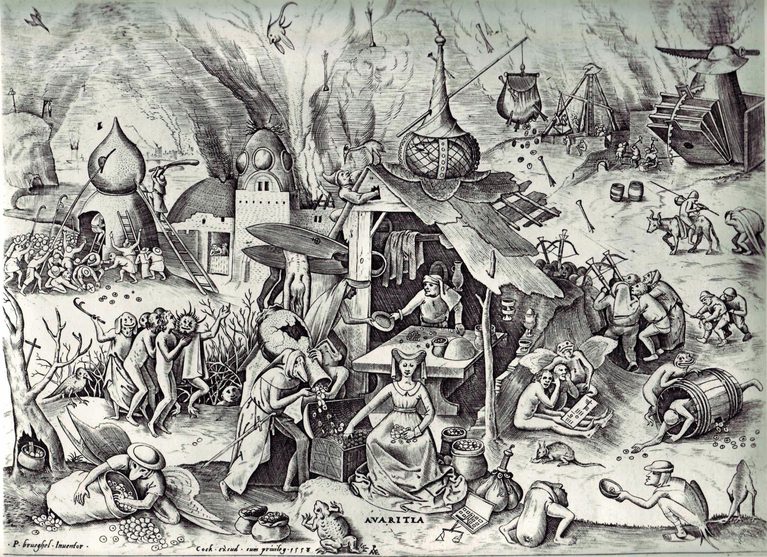
Pieter Bruegel the Elder’s Anger (Ira) belongs to his celebrated series The Seven Deadly Sins, which he designed during the...