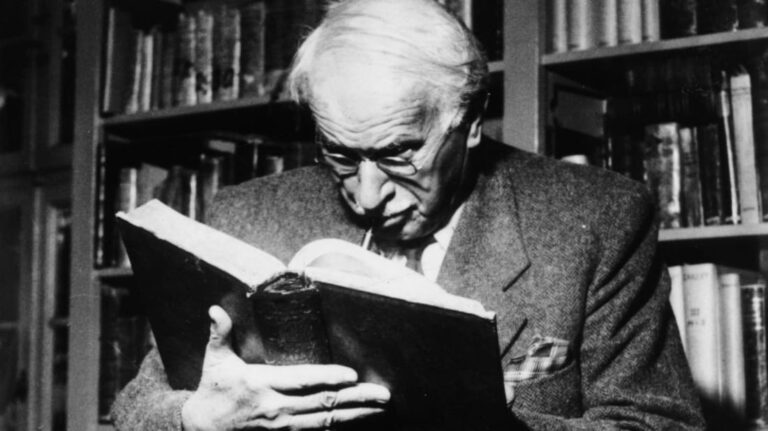
Jung’s discussion of ritual participation examines how people experience transformation through ceremonies that symbolize changes in life, death, renewal, or spiritual identity. A participant does not necessarily undergo a personal transformation in the same way as the symbolic figure in the ritual. Instead, participation can connect the individual to a larger narrative of continuity, meaning, and renewal. Why does Jung consider ritual participation psychologically significant? In Four Archetypes, Jung examines rituals as symbolic actions through which people encounter ideas that exceed ordinary individual experience. A ritual may portray a god or sacred hero undergoing death and renewal. Participants then witness, share in, or identify with this symbolic drama. Jung distinguishes the transformation represented by the ritual from the participant’s immediate psychological state. Someone may take part in a ceremony without experiencing intense emotion. Nevertheless, the ceremony can still place that person within a shared symbolic framework. Therefore, Jung’s account does not reduce ritual to a private feeling. It considers the relationship between an individual and a symbolic process that a religious community treats as meaningful. How does a ritual connect individual experience with a larger symbolic story? Jung discusses ceremonies in which a sacred figure undergoes a symbolic death and returns to life. The participant may observe the event, take part in its enactment, or identify with the sacred figure through the ritual. He explains that the transformation represented in such ceremonies can occur outside the individual, even when the individual participates in it. In his discussion, the participant’s involvement may produce a sense of blessing, connection, or hope. For example, Jung considers the Eleusinian Mysteries of ancient Greece. These rites connected religious participation with hopes concerning immortality. He also discusses Christian communion as a ritual that represents death, transformation, and renewed life. However, these examples belong to different religious traditions. Their symbols and theological meanings are not identical. Jung’s psychological comparison concerns the way ritual can connect personal experience with a larger narrative of transformation. Does ritual participation automatically transform a person?...
Psychology
This category brings together our articles on psychology and psychoanalysis. From Freud, Adler, Jung and Lacan to wider questions of the mind, we explore how these theories help us understand the self, society, art and literature.
Featured Articles
Alfred Adler and Social Interest: Gemeinschaftsgefühl
Alfred Adler and Future-Oriented Psychology: Beyond Freud’s Past
Alfred Adler and the Inferiority Complex: From Feelings of Inadequacy to Personal Growth
In Jung’s interpretation of fairy tales, animals can represent psychological processes that remain outside ordinary conscious understanding....
Jung’s discussion of the father complex examines how father-related psychological patterns can shape a person’s relationship with...
Jung argues that spirit figures in dreams and fairy tales do not always fit neatly into categories...
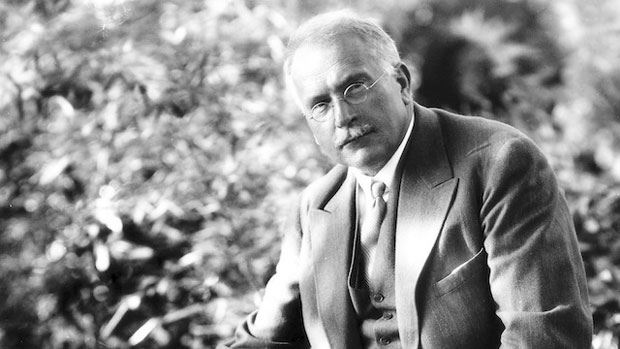
In Four Archetypes, Jung presents the boy symbol, or the young man, as one possible form of...
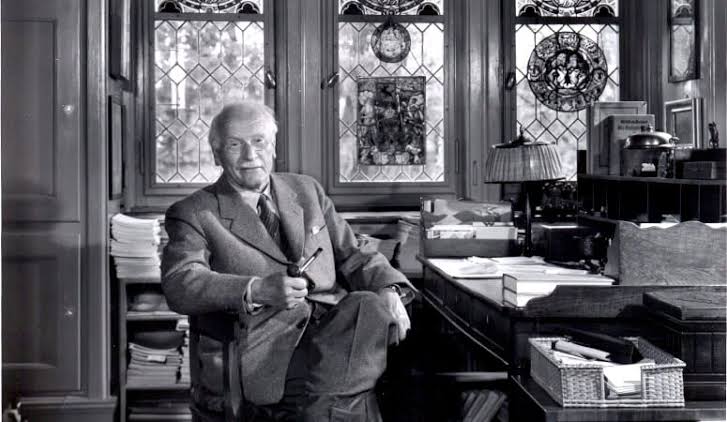
Jung uses the terms anima and animus for inner figures that, in his original theory, represent feminine...
In The Psychology of Dementia Praecox, Carl Gustav Jung studies a form of wishful thinking. He shows...
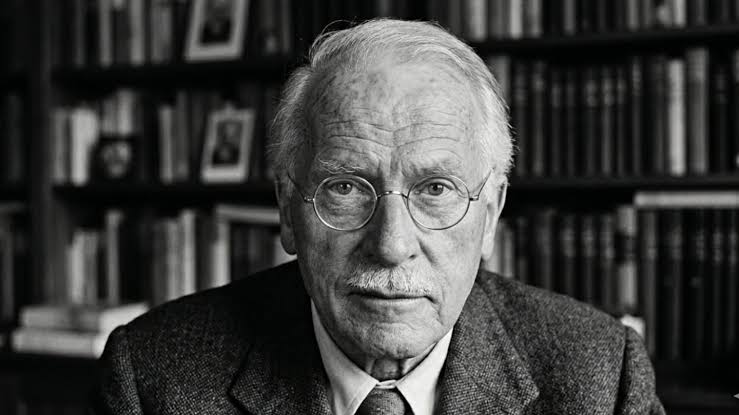
Jung describes the psyche as a system in which opposing tendencies can interact and generate tension. In...
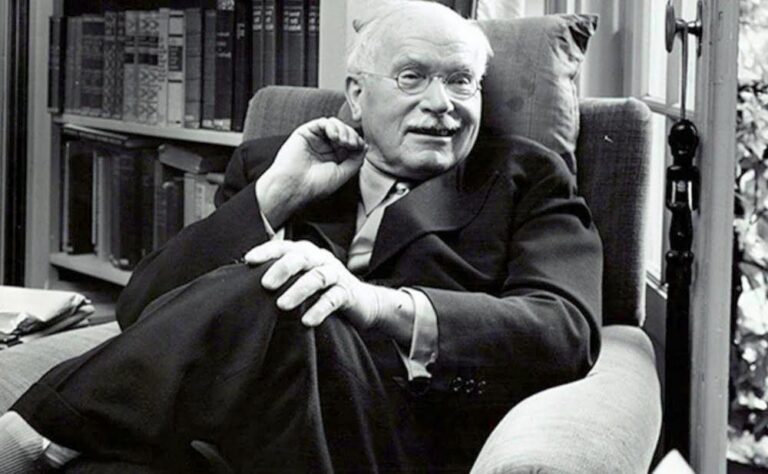
For Carl Gustav Jung, emotion and logic are closely connected, because emotions influence how people think, interpret...
Jungian psychological types and other categories can help organize observations, but they can also distort understanding when...