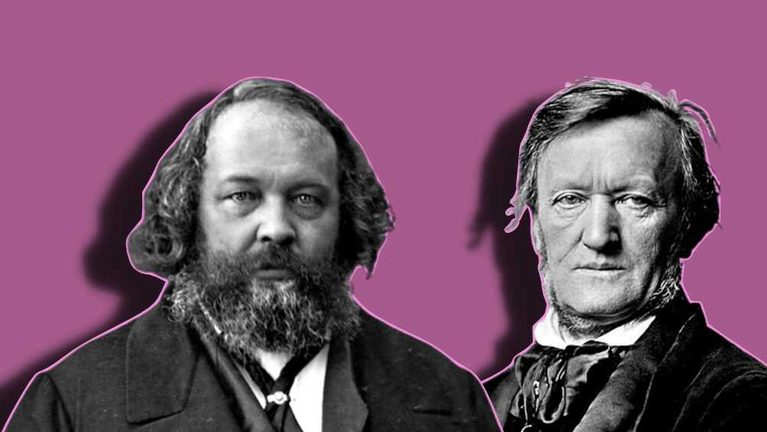
Wagner and Bakunin: Two Radical Figures in the Revolutions of 1848–1849 The relationship between Richard Wagner and Mikhail Bakunin offers a remarkable example of the intersection between art, political radicalism, and revolutionary action in nineteenth-century Europe. In May 1849, the two men found themselves on the same side during the Dresden Uprising, a revolt that challenged royal authority in the Kingdom of Saxony. However, their paths to revolutionary politics differed considerably: Wagner approached political activism through his artistic ambitions and dissatisfaction with the existing social order, whereas Bakunin pursued a more uncompromising struggle against authoritarian institutions. Their participation in the uprising reveals more than an unusual episode in the lives of a celebrated composer and a prominent anarchist. Instead, it illuminates the radical political imagination of the revolutionary era and raises questions about the relationship between intellectual conviction and direct political action. The Dresden Uprising: Historical...
Winter is over now, and summer has arrived.