The relationship between Friedrich Nietzsche and music offers valuable insight into his philosophical development. From his youth, Nietzsche played the piano and composed musical pieces. For him, music represented far more than a personal pastime; it provided a creative means of exploring emotion, culture, and human existence.
Moreover, Nietzsche’s musical interests shaped his understanding of art and its relationship to philosophy. His early admiration for the composer Richard Wagner reflected his belief in music’s cultural and emotional power. However, as Nietzsche’s views evolved, he began to challenge Wagner’s artistic ideals. This intellectual shift reveals how seriously Nietzsche examined the role of art in human life.
Friedrich Nietzsche and Music: Early Interests
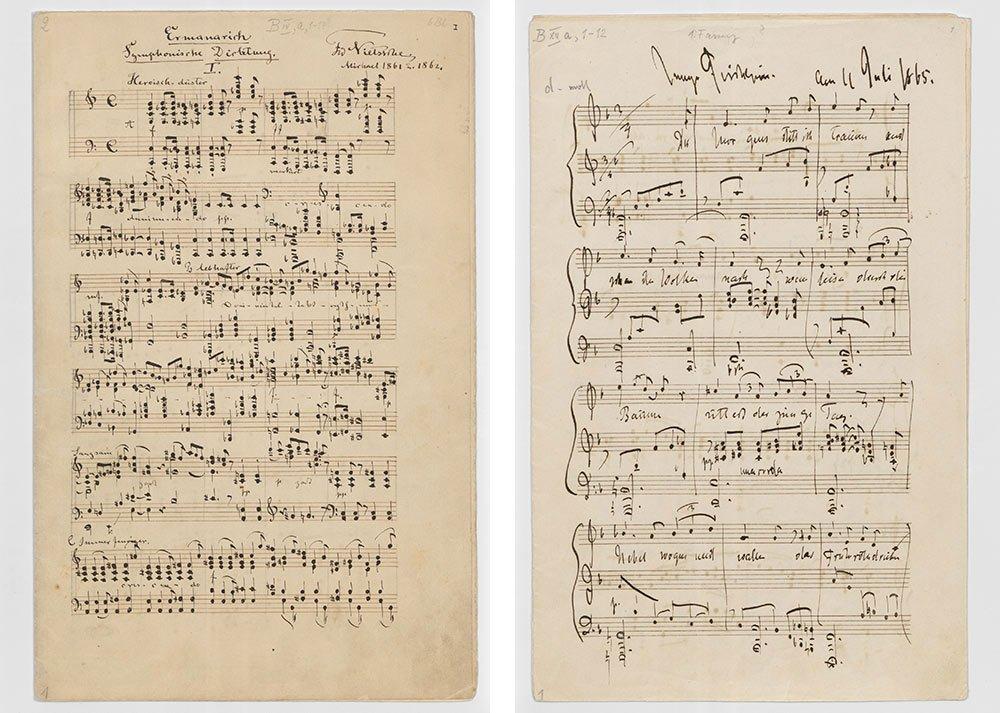
Friedrich Nietzsche developed an interest in music during his youth. He practiced piano and experimented with composition, demonstrating an artistic sensibility that accompanied his philosophical curiosity. Consequently, music became an important part of his intellectual identity rather than a separate recreational activity.
Furthermore, Nietzsche’s musical pursuits help explain why aesthetic questions occupy such a prominent place in his philosophy. He explored how artistic experiences shape human emotions, influence cultural values, and affect our interpretation of existence. In this respect, his compositions offer another perspective on the thinker behind works such as The Birth of Tragedy.
Richard Wagner and the Power of Music
Nietzsche’s early admiration for Richard Wagner emerged partly from his conviction that music could transform cultural life. Wagner’s ambitious operas combined music, drama, mythology, and philosophical themes. Therefore, Nietzsche initially regarded Wagner as a significant figure in the renewal of German culture and artistic expression.
Their intellectual relationship also reflected Nietzsche’s broader interest in the connections between art and human experience. In The Birth of Tragedy (1872), Nietzsche examined ancient Greek tragedy through the contrasting artistic impulses he called the Apollonian and the Dionysian. Here he also drew on Arthur Schopenhauer, who regarded music as the highest of the arts. Music, particularly in its Dionysian dimension, played a central role in this account of artistic creativity.
Nevertheless, Nietzsche’s admiration did not remain unchanged. Over time, he increasingly criticized Wagner’s artistic direction, cultural influence, and ideological commitments. His later works, especially The Case of Wagner (1888), reveal a more confrontational assessment of the composer. Thus, Nietzsche’s changing attitude toward Wagner illustrates his willingness to reconsider an important intellectual influence.
From Musical Admiration to Philosophical Criticism
Nietzsche’s break with Wagner involved more than a disagreement about musical taste. Instead, it reflected deeper questions about artistic values, cultural identity, and the effects of art on human vitality. Nietzsche increasingly asked whether art encouraged independence and affirmation or promoted ideals that he considered restrictive.
Moreover, his criticism of Wagner did not diminish his interest in music itself. On the contrary, Nietzsche continued to treat music as a powerful force that could shape feelings, values, and cultural attitudes. His later reflections therefore demonstrate a distinction between criticizing a particular artist and questioning the broader significance of artistic experience.
In Nietzsche Contra Wagner, a collection of passages published in 1888, Nietzsche revisited his complicated relationship with the composer. Consequently, the text offers an important resource for understanding how his aesthetic judgments changed alongside his philosophical priorities.
Why Friedrich Nietzsche and Music Matter for His Philosophy
Music provides an essential perspective on Nietzsche’s thought because his philosophy extends beyond abstract concepts. He investigated how people experience art, how artistic forms express cultural values, and how aesthetic experiences can influence our understanding of life.
For example, The Birth of Tragedy connects Greek drama with music, myth, and the tension between order and ecstatic expression. Likewise, his later criticism of Wagner explores the relationship between artistic style and cultural decline as Nietzsche understood it. These arguments show that aesthetics remained central to his philosophical concerns.
In addition, Nietzsche’s own musical compositions help researchers examine the relationship between his artistic practice and theoretical ideas. Although his compositions do not replace close readings of his philosophical works, they provide useful historical context. As a result, studying Friedrich Nietzsche and music together can deepen our understanding of the questions that guided his thinking about art and culture.
Bibliography
- Nietzsche, Friedrich. The Birth of Tragedy. 1872. English translation and publication details vary by edition. Read about the work at the Stanford Encyclopedia of Philosophy.
- Nietzsche, Friedrich. The Case of Wagner (1888). Available through the Nietzsche Source digital research platform.
- Nietzsche, Friedrich. Nietzsche Contra Wagner (1888). Consult the Nietzsche Source digital research platform for editions and related materials.
- Stanford Encyclopedia of Philosophy. “Friedrich Nietzsche.” A scholarly overview of Nietzsche’s philosophy, including his aesthetics and intellectual development.
- Young, Julian. Friedrich Nietzsche: A Philosophical Biography. Cambridge University Press, 2010. Publisher information.
About the Author