Francisco Goya was one of the most influential artists in the history of Spanish art. Throughout his...
Francisco Goya
Francisco Goya (1746–1828) moved from royal court painter to an unflinching witness of war, superstition and cruelty. From Los Caprichos and The Disasters of War to the Black Paintings, his work anticipates modern art. These essays trace Goya’s dark and visionary world.
Featured Articles
Goya and the Birth of Modern Art: Why Was He Ahead of His Time?
Goya’s Charles IV of Spain and His Family: The Criticism Behind a Royal Portrait
Los Caprichos: How Goya Attacked Superstition and Social Hypocrisy
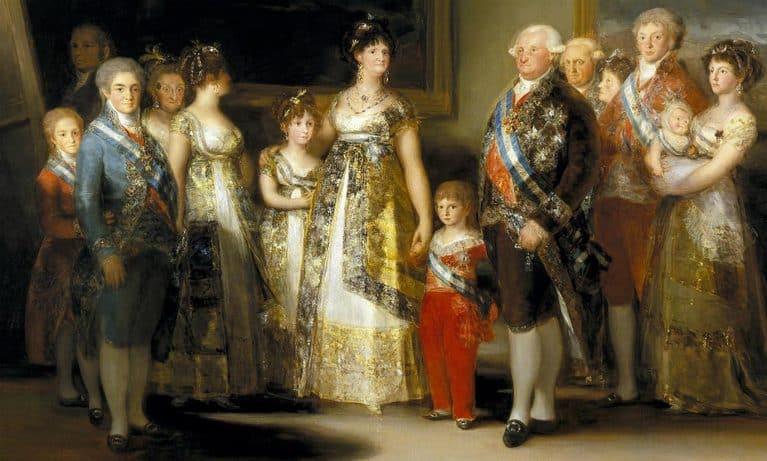
Francisco Goya’s Charles IV of Spain and His Family, painted in 1800, is one of the most...
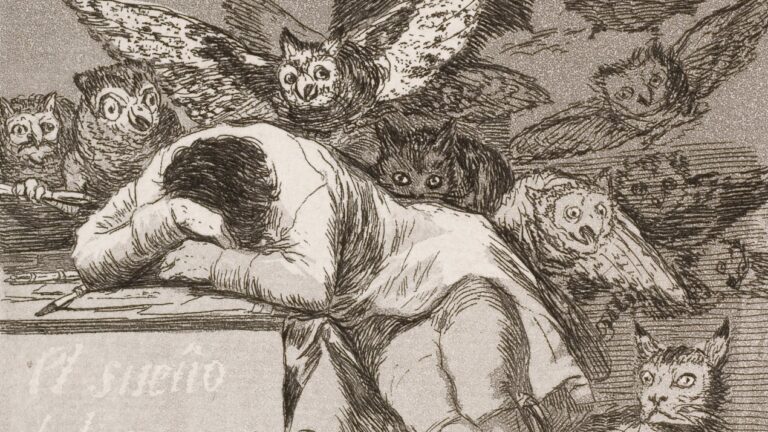
Francisco Goya published Los Caprichos in 1799, and the series remains one of the most remarkable examples...
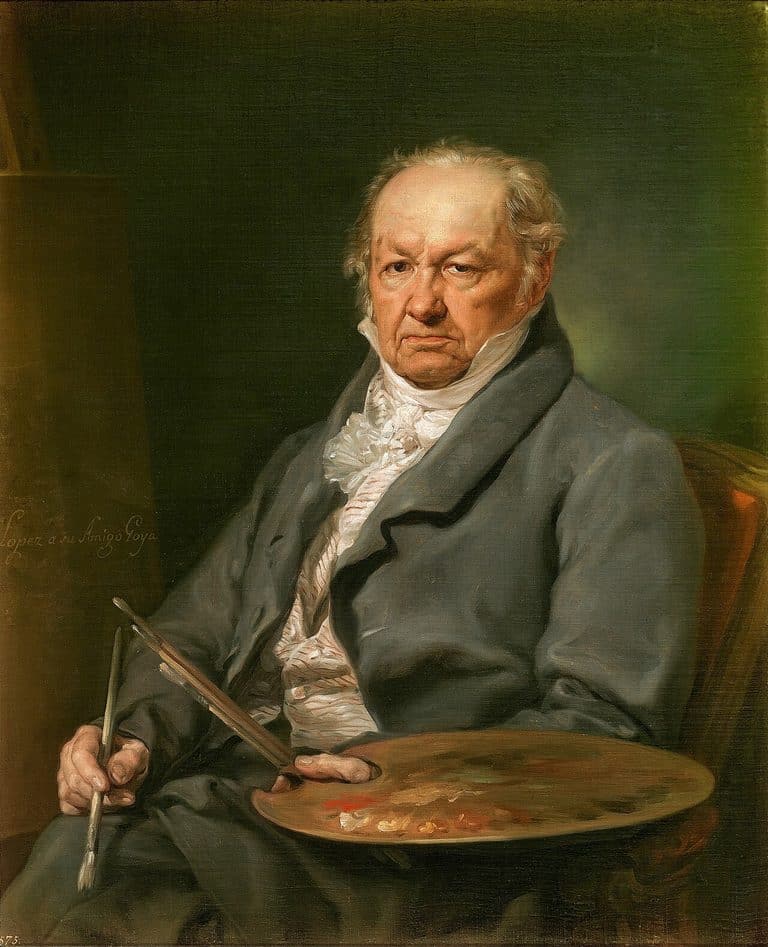
The Artist Who Exposed the Darkness of His Age Francisco de Goya y Lucientes (1746–1828) occupies a...
Francisco de Goya’s Los Caprichos occupies a crucial position in the history of European printmaking. Published in 1799, the...
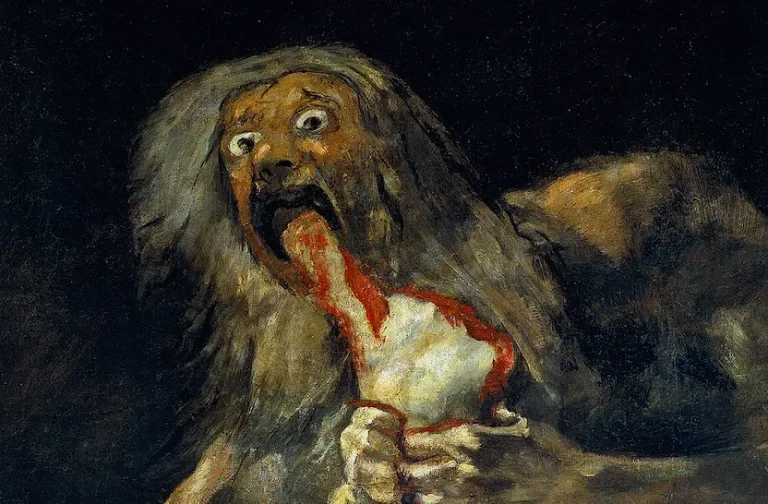
Francisco Goya’s Saturn Devouring His Son stands among the most disturbing images in European art. The painting depicts the...
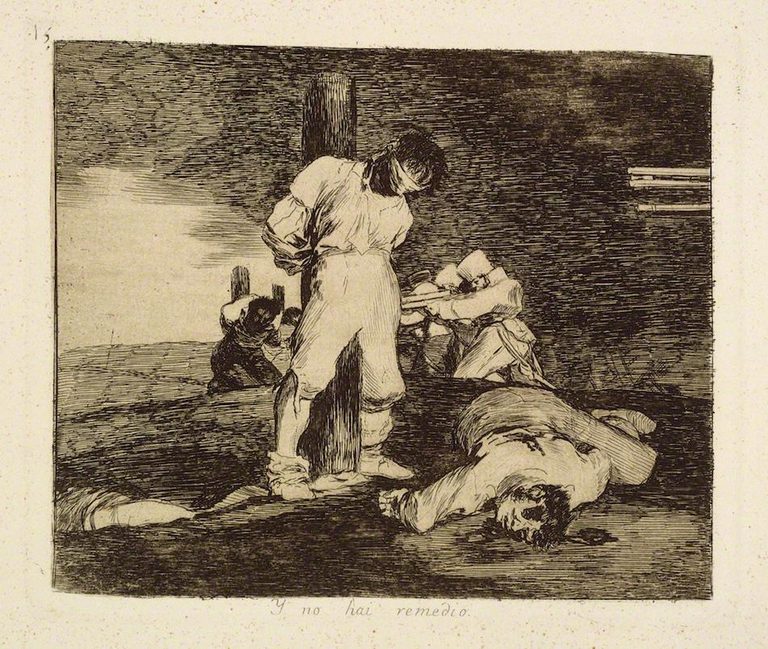
Francisco de Goya (1746–1828) occupies a crucial position in the history of European art because he transformed...
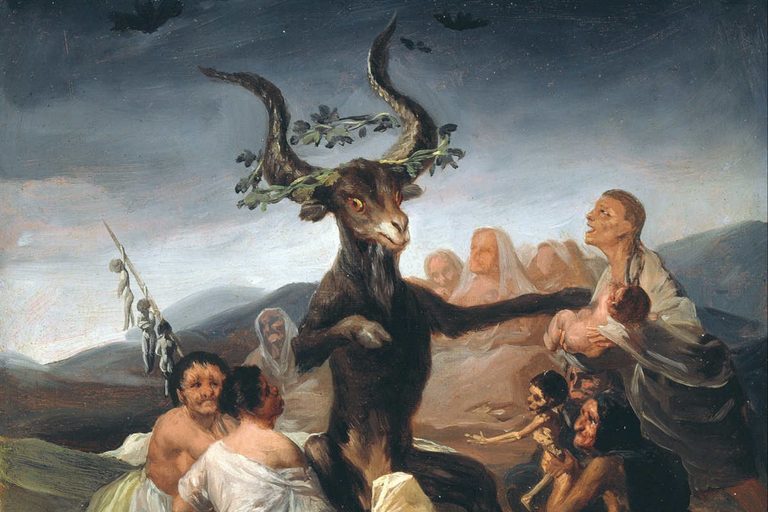
Francisco Goya’s Witches’ Sabbath, or The Great He-Goat (El Aquelarre / El Gran Cabrón) ranks among the most disturbing works of...
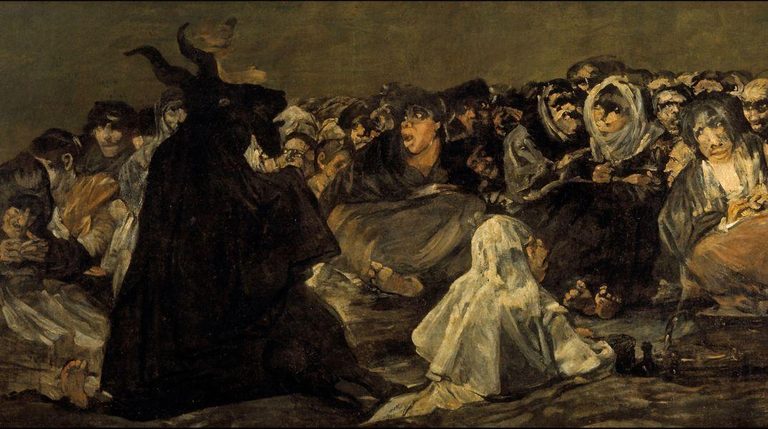
Francisco de Goya occupies a crucial position in the transition from eighteenth-century European painting to modern art....
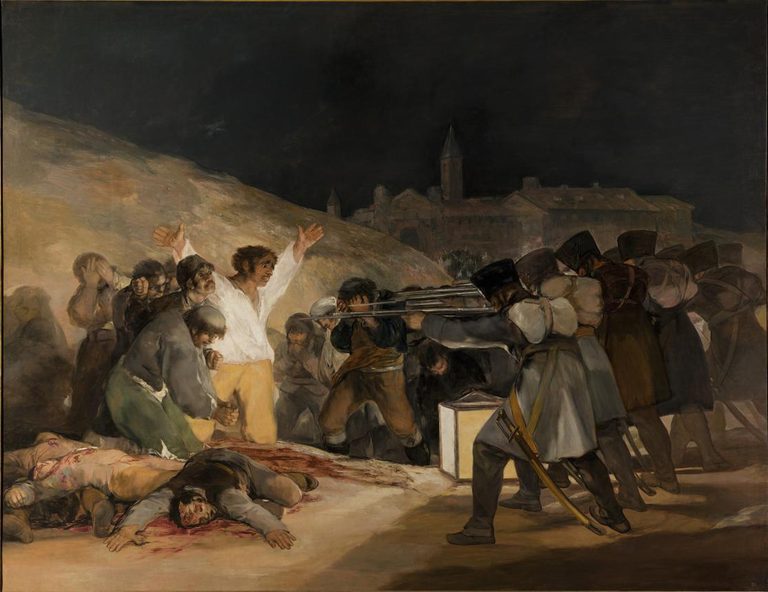
Francisco Goya (1746–1828) occupies a unique position in European art history. Today, audiences often associate him with...