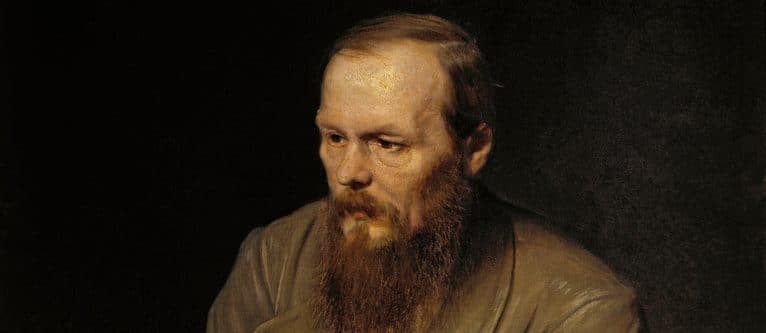
Dostoevsky’s Literary Influences: Schiller, Scott and German Romanticism Dostoevsky’s literary influences began with the German Romanticism and...
Literature
This category brings together our essays on world literature, with a focus on the great novelists, poets and playwrights. We read classic works in their historical context and explore the questions they raise about society, morality and the human condition.
Featured Articles
The Myth of the “Perfect Human Being” in This World: The Idiot and the Tragedy of Prince Myshkin
Ideological Murder and Moral Collapse: Crime and Punishment and Demons
A Reaction Against the Radicalism of the 1860s: The Critique of “Rational Egoism” and Notes from Underground
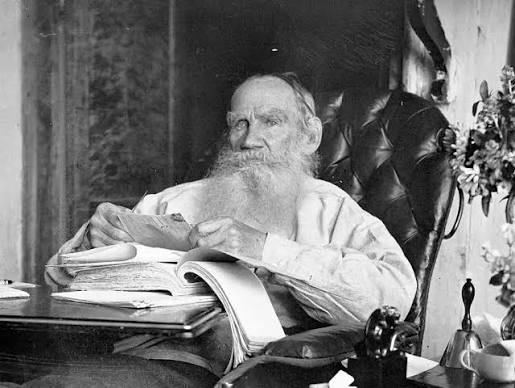
Leo Tolstoy published What Is Art? in 1897. In this book, Tolstoy challenges the leading aesthetic theories...

Dr. Mikhail Dostoevsky: Social Mobility and Personality Fyodor Dostoevsky’s father, Dr. Mikhail Dostoevsky (Mikhail Andreyevich), pursued an...
Introduction: Tolstoy’s Radical Philosophy and the Inner Turmoil of a Literary Giant Lev Nikolayevich Tolstoy, one of...
In What Is Art?, Lev N. Tolstoy harshly criticizes Ludwig van Beethoven and Richard Wagner. In his...
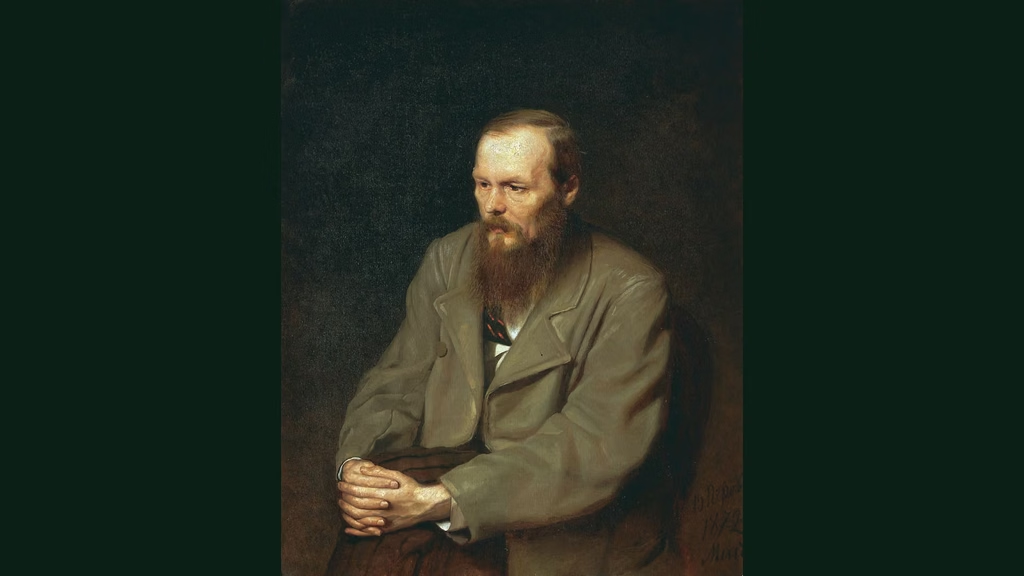
Dostoevsky’s father is one of the most important keys to understanding the writer’s inner world. Dr. Mikhail...
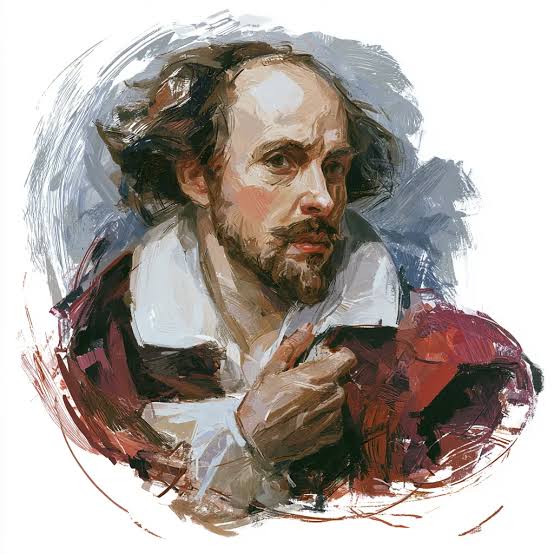
Shakespeare’s Psychological Complexity and Human Nature William Shakespeare remains one of the most influential writers in world...

Franz Kafka’s “Before the Law” (Vor dem Gesetz) stands among the most frequently discussed short parables in twentieth-century literature....
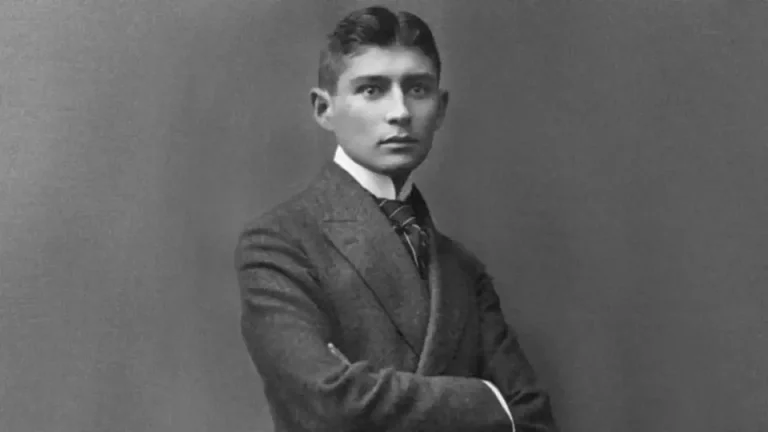
Franz Kafka occupies a distinctive position in twentieth-century literature. His works The Trial, The Castle, and Amerika became central texts of...

Franz Kafka’s fiction repeatedly places his characters in spaces that resist ordinary interpretation. Doors, corridors, rooms, courts, castles,...