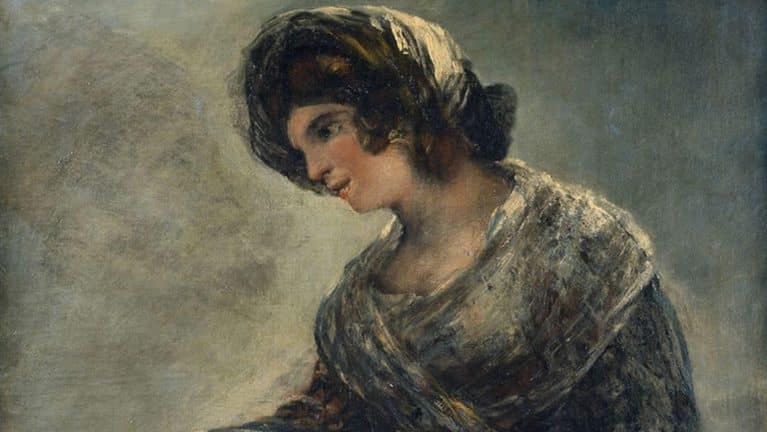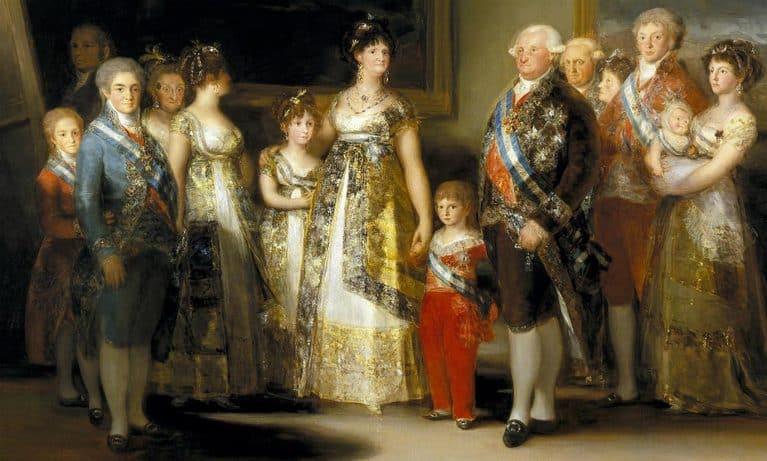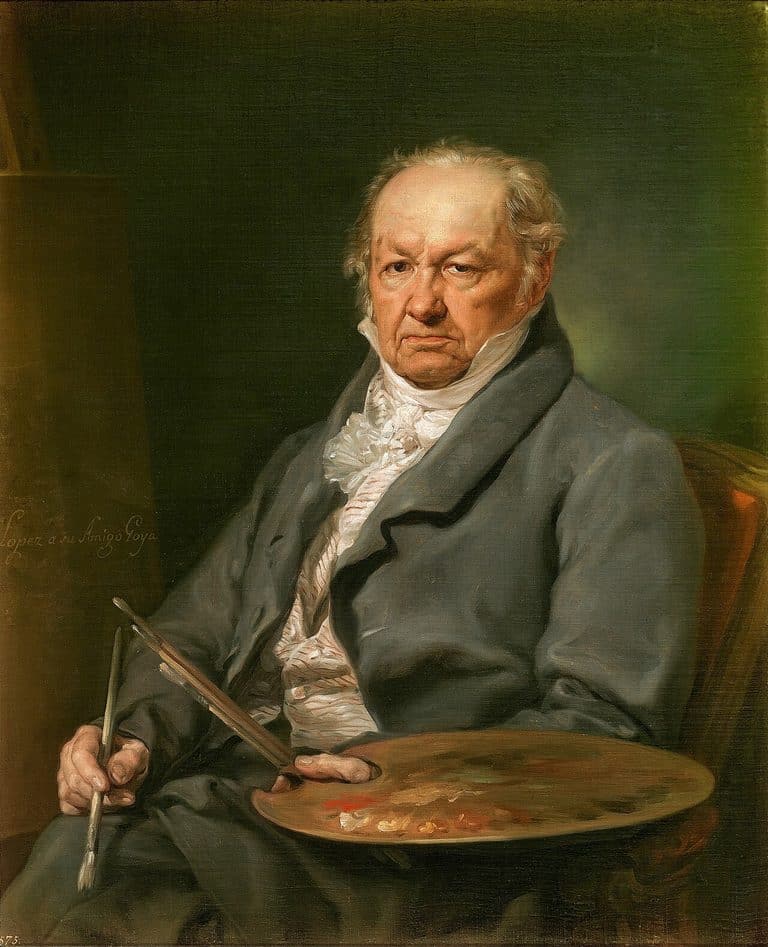
Francisco Goya published Los Caprichos in 1799, and the series remains one of the most remarkable examples of social criticism in European art. Across 80 etchings, Goya explores humanity’s abandonment of reason, its reliance on superstition, and the misuse of social status to exploit others.
According to Tim McNeese, Goya created this series after a serious illness. The works also challenged established attitudes within Spanish society. As a result, they provoked considerable unease (McNeese, 2008, pp. 99–101).
The Sleep of Reason in Goya’s Los Caprichos
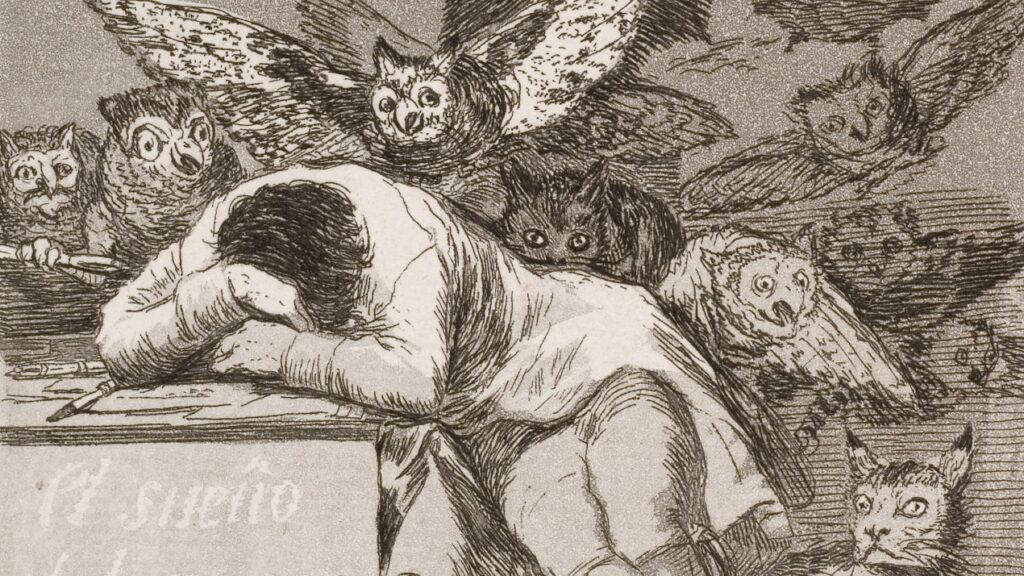
One of the most recognizable images Goya made for Los Caprichos is The Sleep of Reason Produces Monsters. This famous etching depicts frightening creatures emerging around a sleeping figure. Through this striking image, Goya turns the tension between reason and imagination into a powerful visual metaphor.
When human reason loses its critical function, fears, prejudices, and irrational beliefs can dominate the mind. However, the etching does not necessarily reject imagination itself. Instead, we can read it as a warning about the importance of critical thinking and intellectual awareness. Goya returned to this theme in works such as Witches’ Sabbath.
Moreover, Goya’s criticism extends beyond individual behavior. Social hierarchies, religious and cultural authorities, and the human desire to dominate others also play an essential role in interpreting the series.
Why Did Goya’s Los Caprichos Provoke Controversy?
According to McNeese, offering the etchings for sale was risky because of the social sensitivities of the period. The images questioned deeply rooted assumptions within Spanish society. Consequently, their critical message had the potential to provoke opposition.
Unlike conventional portraiture, Goya’s visual language relied on symbols, grotesque figures, and exaggerated characters. Through these artistic techniques, he exposed the contradictions of the social order without issuing an explicit political manifesto.
Furthermore, his use of satire allowed him to criticize superstition, hypocrisy, and abuses of authority. Rather than simply documenting the world around him, Goya encouraged viewers to question the beliefs and institutions that shaped their lives.
The Artistic Legacy of Goya and Los Caprichos
Los Caprichos demonstrates that art does not have to represent beauty alone. Instead, Goya uses grotesque imagery and biting satire to encourage society to examine its own contradictions.
The series also holds an important place in the development of modern political caricature and critical graphic art. By combining imagination with social observation, Goya established a powerful visual language that challenged conventional thinking. He later carried this language further in The Disasters of War.
Ultimately, Goya’s Los Caprichos remains a significant example of how artists can use visual satire to question authority, expose social hypocrisy, and defend the importance of reason.
References
McNeese, Tim. (2008). Francisco Goya. New York: Chelsea House Publications, Facts On File.
About the Author